
Polish aquaculture in practice. AquaGOOD project partners visit the Maritime Institute in Gdansk
9 November, 2026 | 2 min. czytania
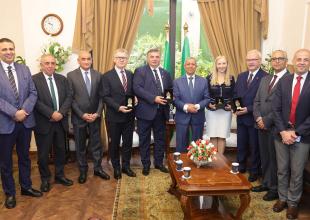
On 4–5 November 2026, the Maritime Institute of Gdynia Maritime University hosted partners of the international AquaGOOD project — “Diversification of goods harvested from aquatic ecosystems at South Baltic small ports and communities”. The meeting provided an opportunity to discuss progress and introduce international guests to Polish aquaculture and research supporting the economic use of aquatic ecosystem resources.
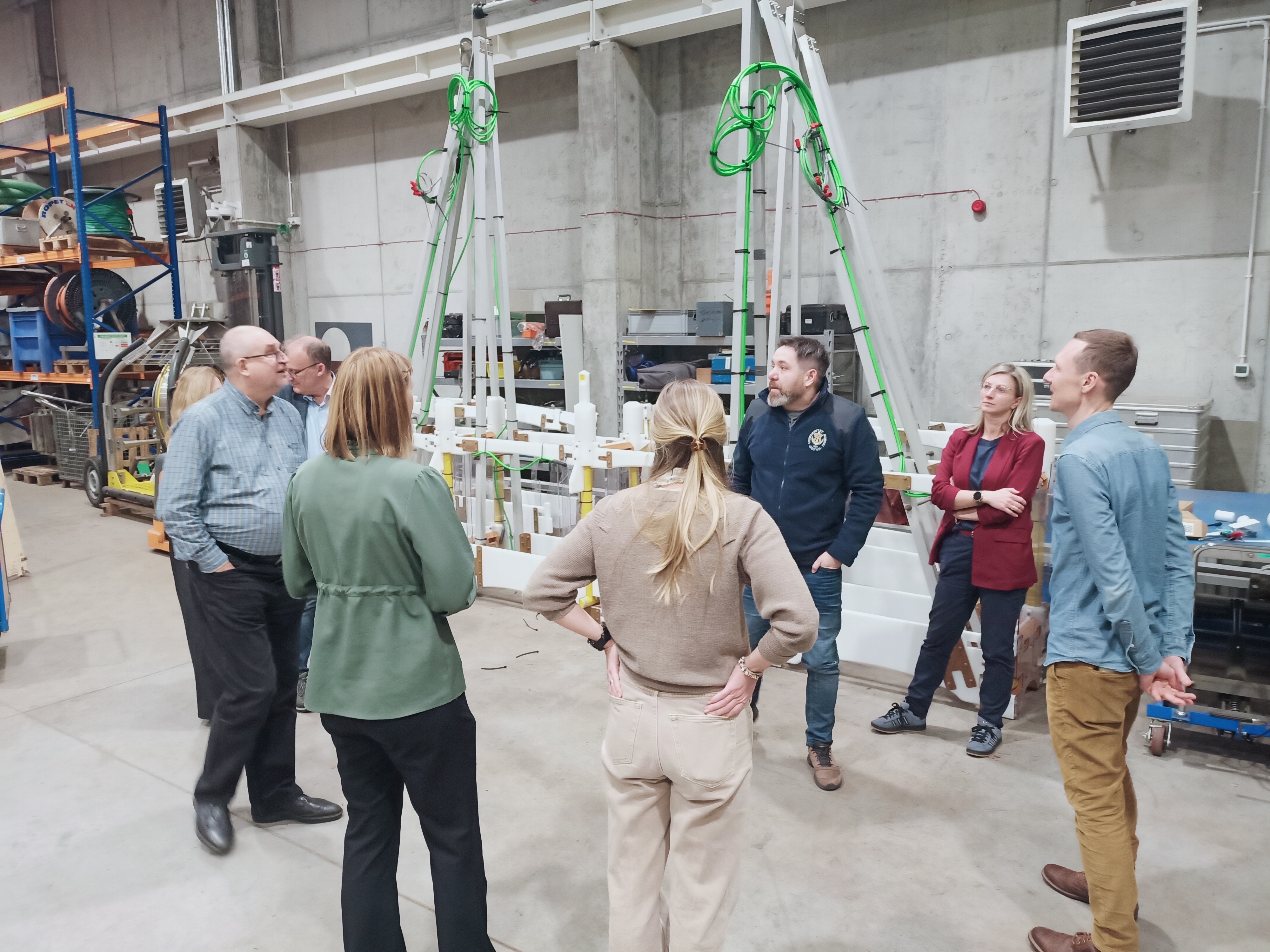
The meeting focused on exploring new opportunities for the commercial use of aquatic raw materials and the development of aquaculture in the South Baltic region. The two-day programme combined project discussions with visits to laboratories and a fish farm, demonstrating the links between scientific research and business practice.
On the first day, held at the Offshore Centre in Gdansk, partners presented their activities to date and discussed the next tasks within the AquaGOOD project. Topics included opportunities to use aquatic biomass to develop new products, the exchange of experience, and cooperation between researchers, businesses and coastal communities.
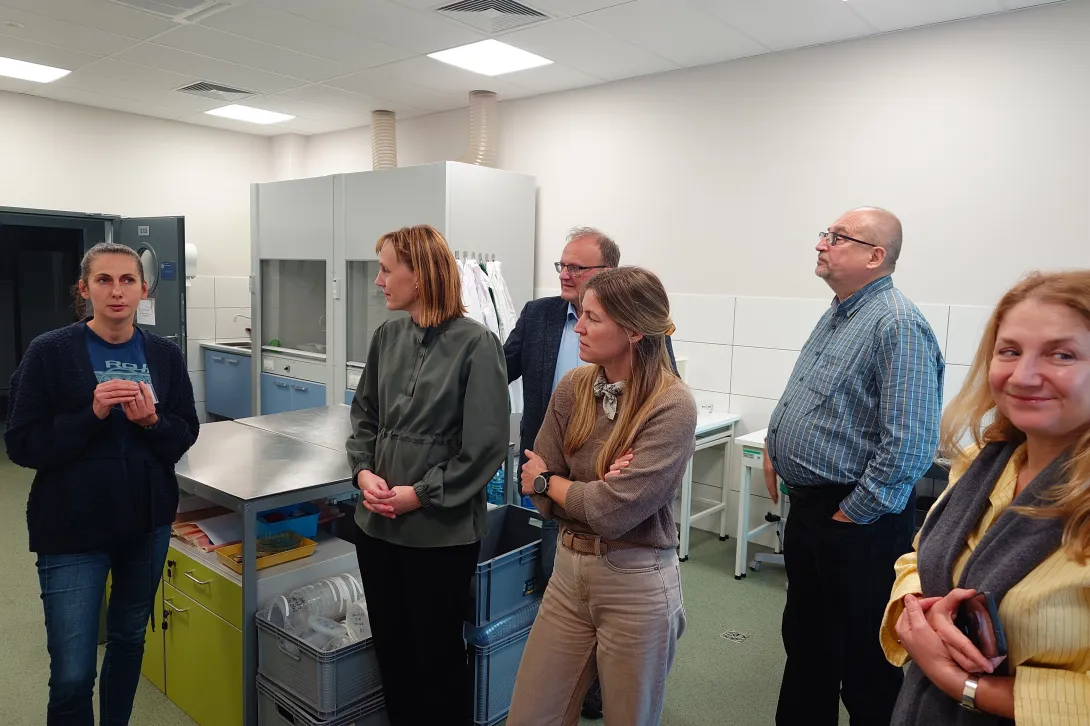
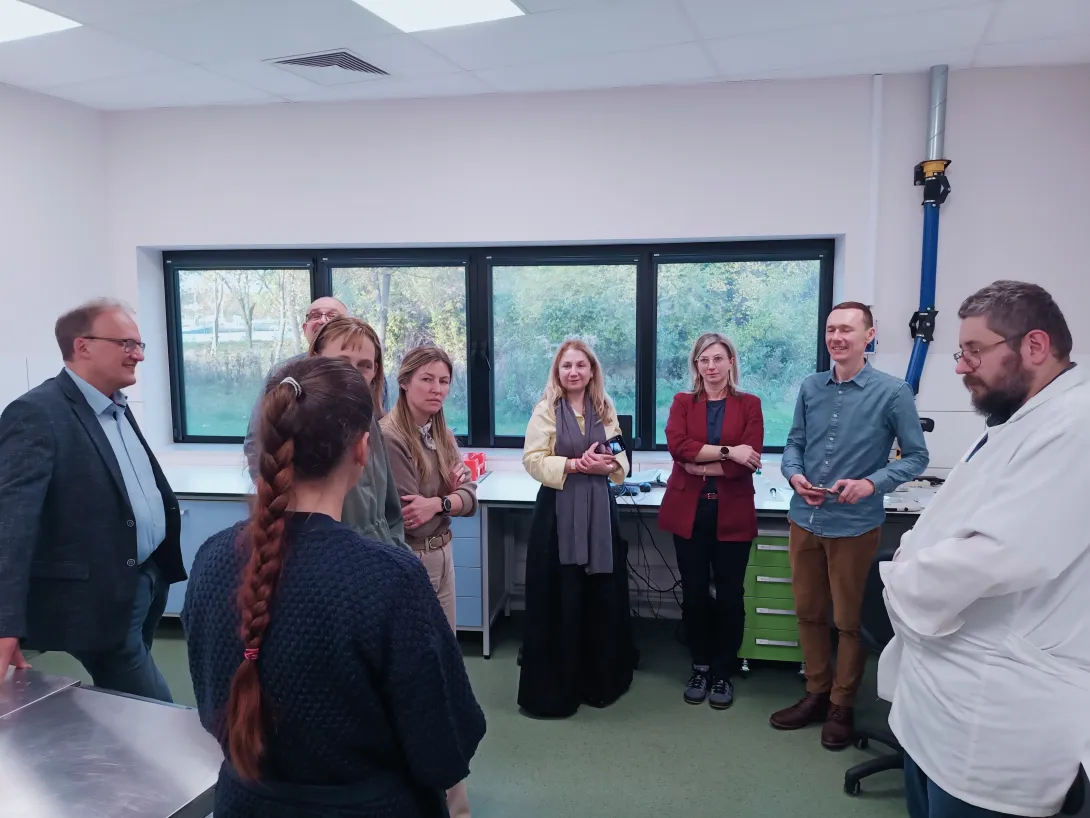
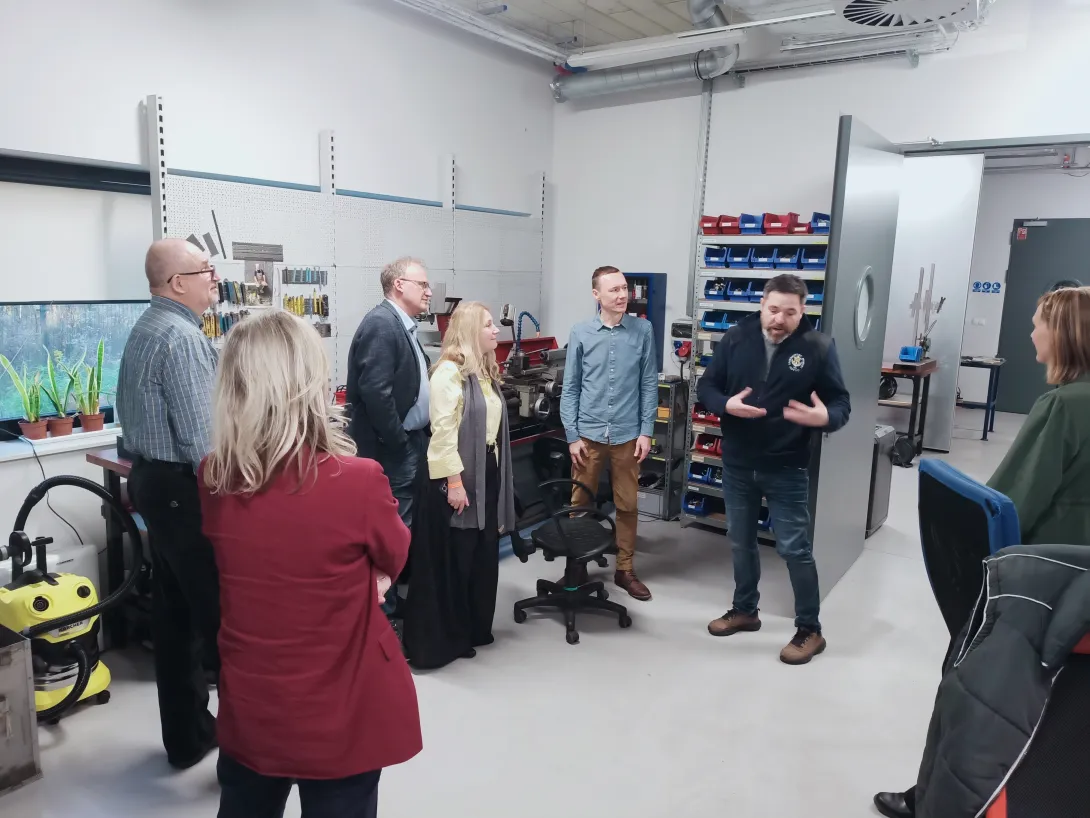
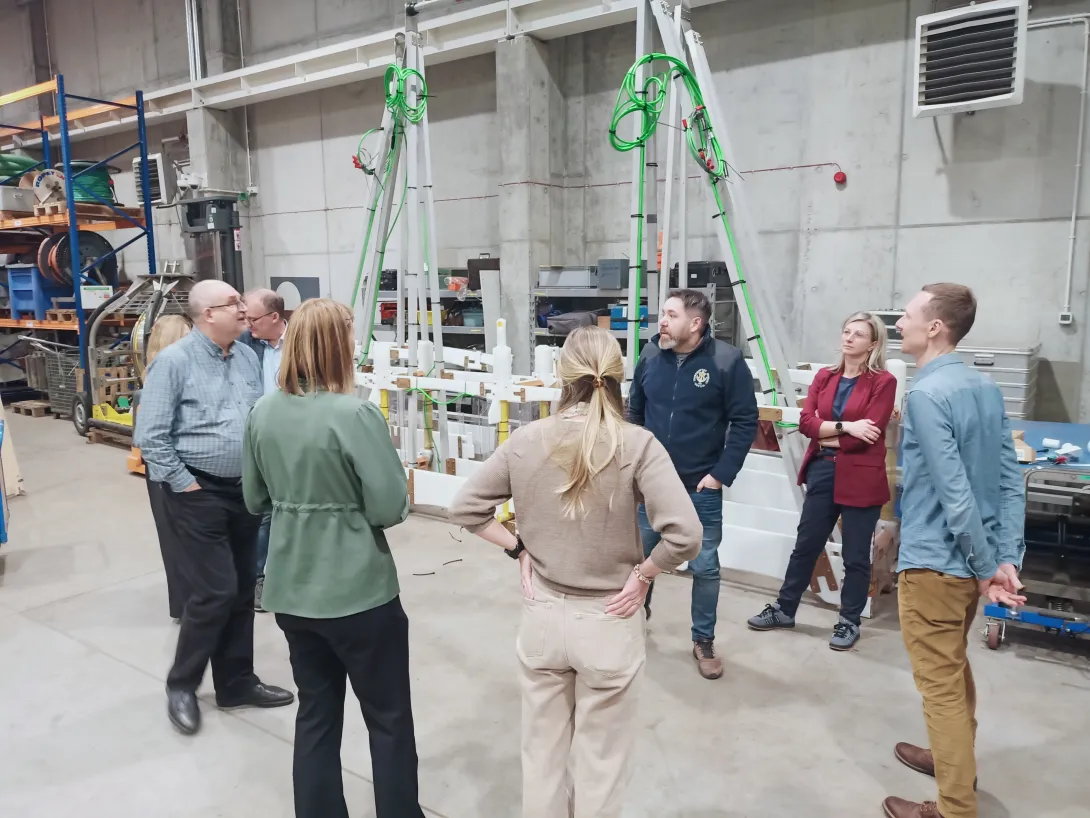
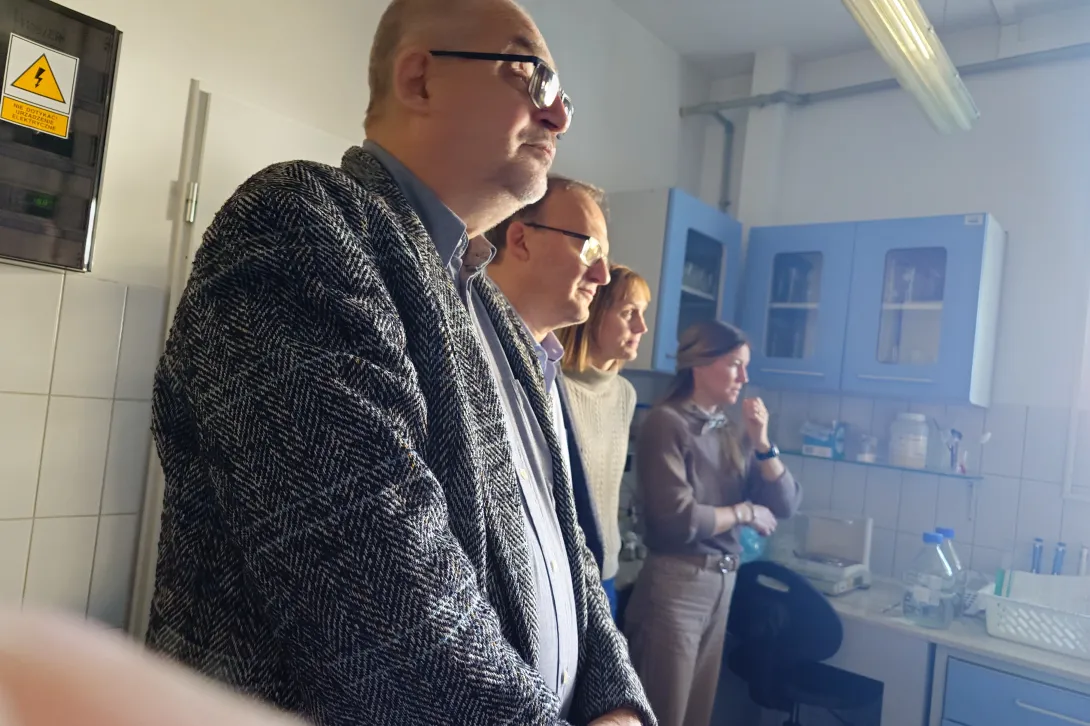
An important part of the programme was a presentation of the Maritime Institute’s research facilities. Guests visited the laboratories of the Department of Water Ecology and learned about the equipment used by the Measurement Infrastructure Laboratory.
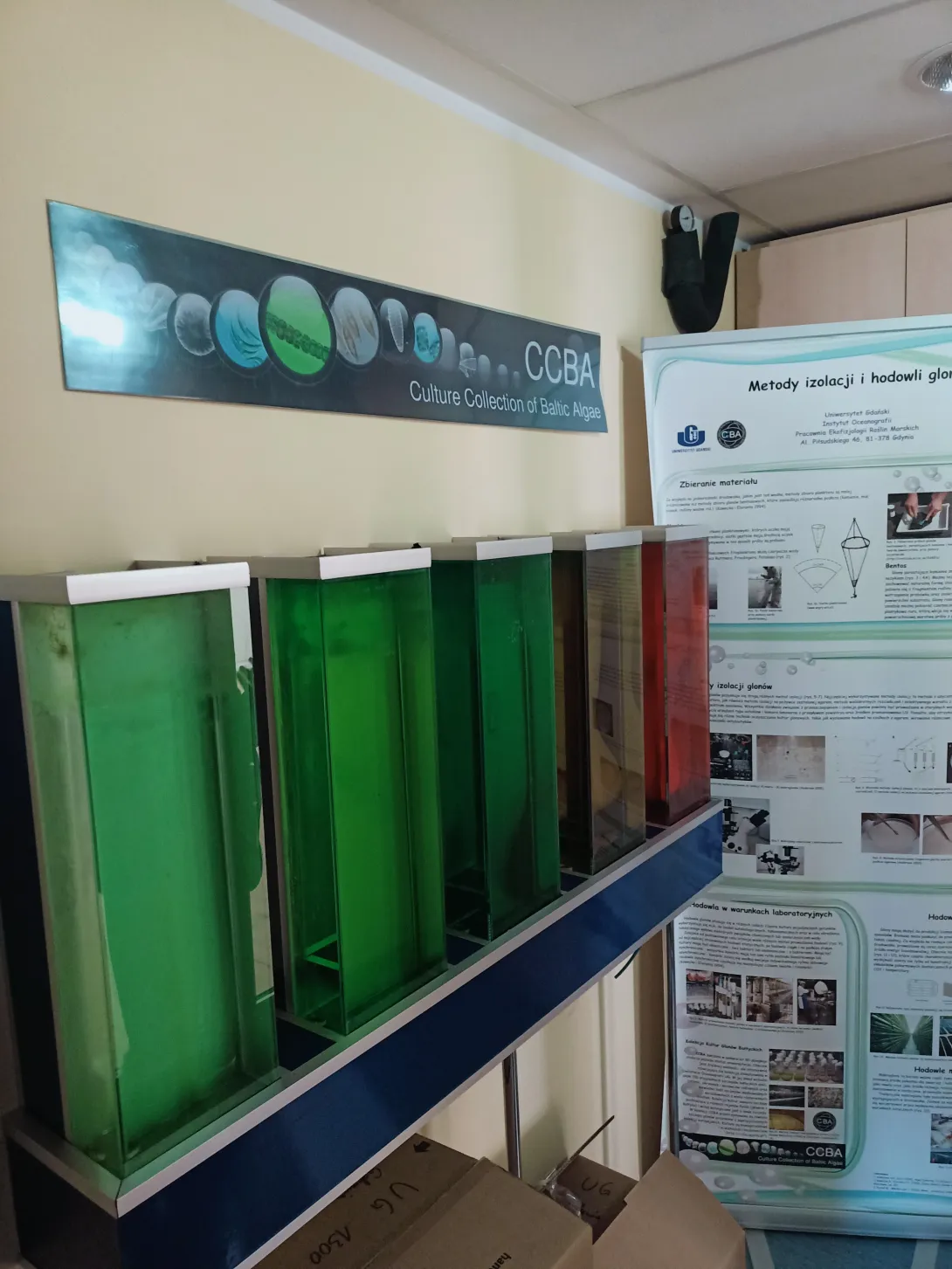
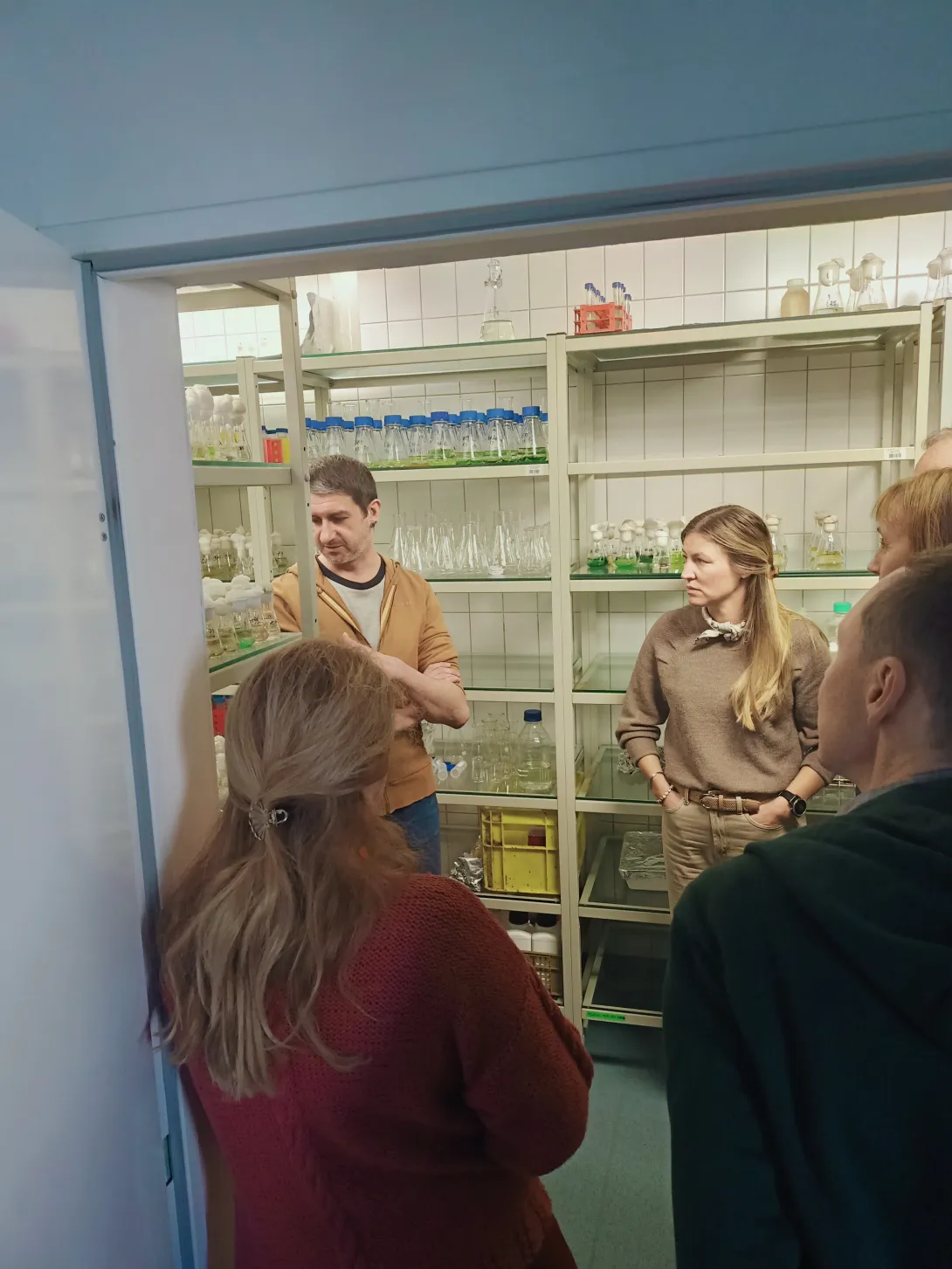
On the second day, a study visit was organised in cooperation with representatives of the Tri-City scientific community, introducing international guests to examples of research and aquaculture activities in Poland. The programme included a presentation of a collection of Baltic microalgae and their potential industrial applications. Particular attention was paid to the diversity of aquatic ecosystem resources and their potential as sources of raw materials for new products.
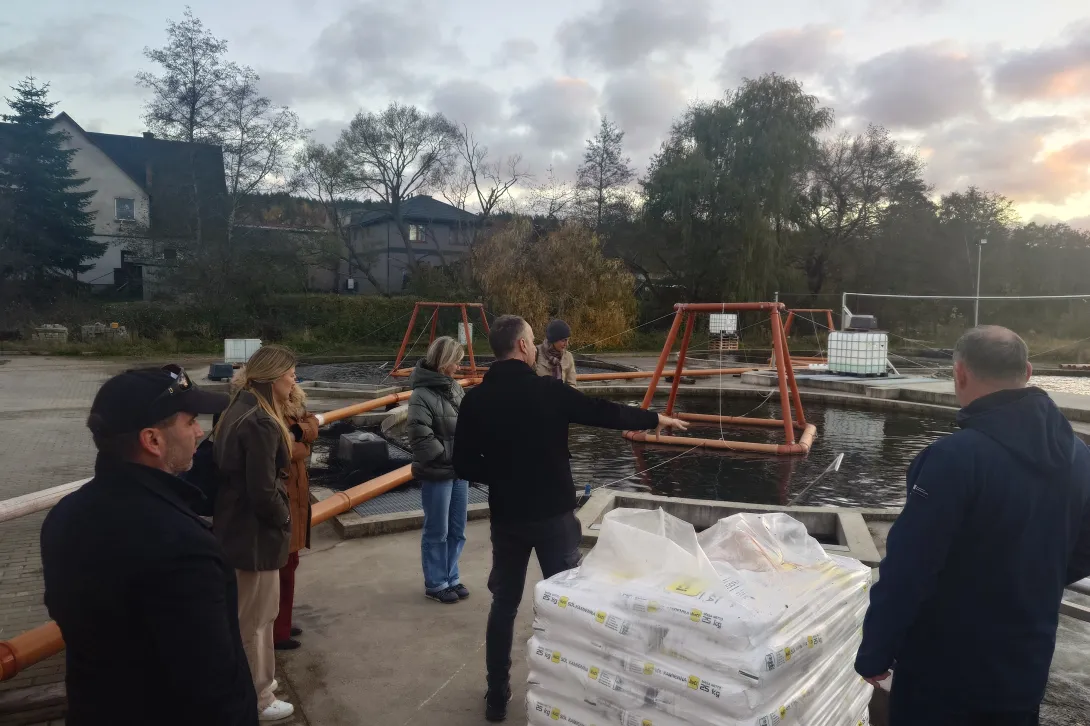
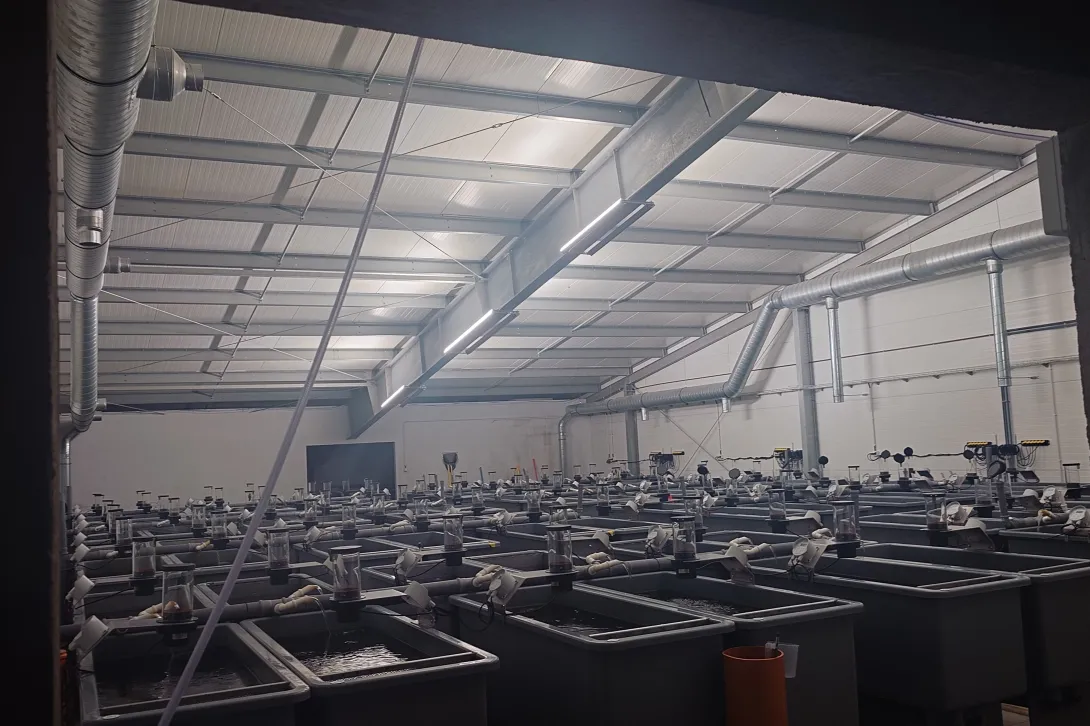
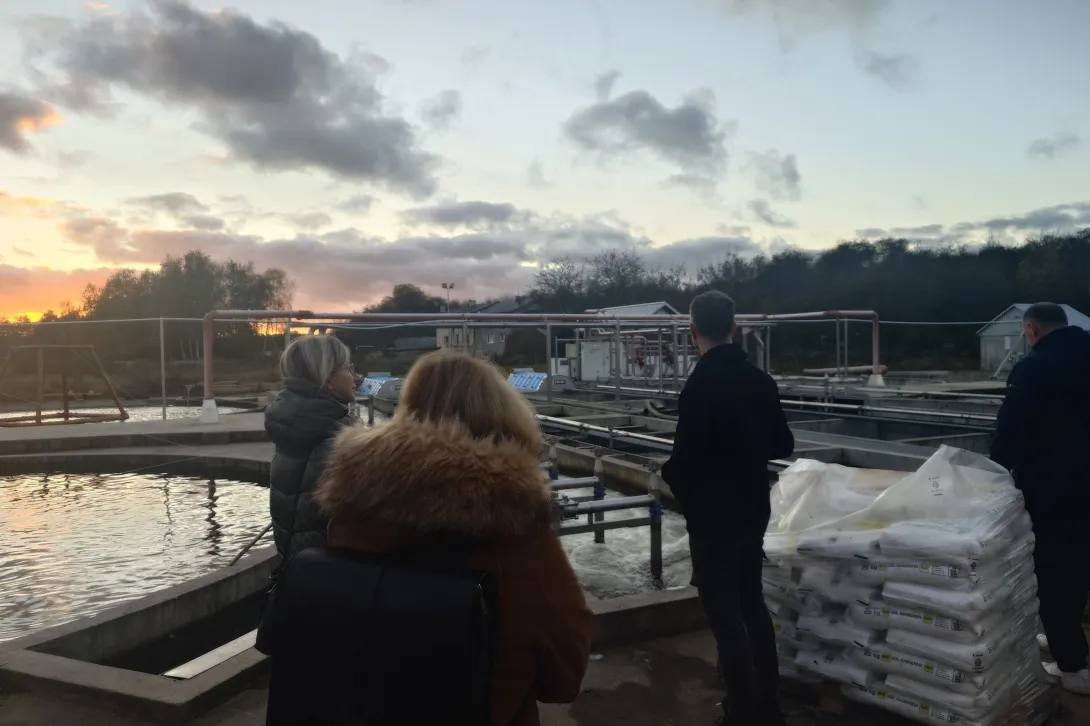
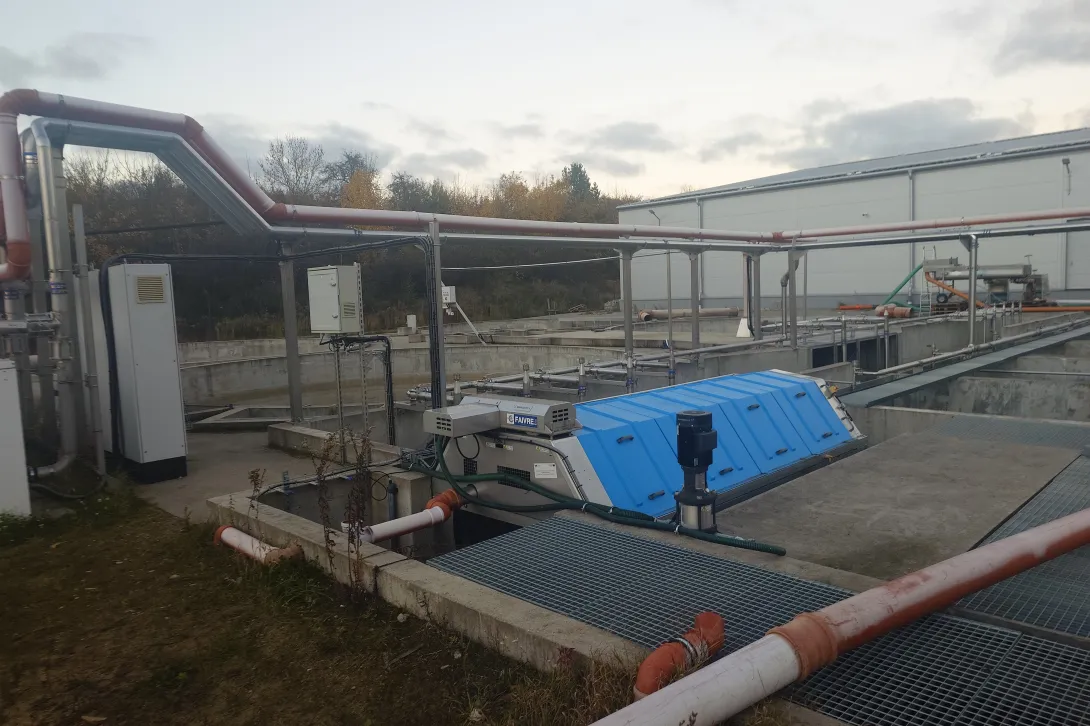
The next part of the visit showcased research into the use of marine raw materials and processing by-products. Participants learned about methods for obtaining collagen, gelatine and chitosan-based materials, as well as their potential applications in medicine, cosmetics and biomaterials. The samples and laboratory technologies presented demonstrated how aquatic raw materials can find new applications and acquire greater value. The study visit concluded with a visit to a rainbow trout farm.
The meeting and study visit took place as part of the AquaGOOD project — “Diversification of goods harvested from aquatic ecosystems at South Baltic small ports and communities” — implemented by the Department of Economics and Spatial Policy under the Interreg South Baltic Programme 2021–2027.